

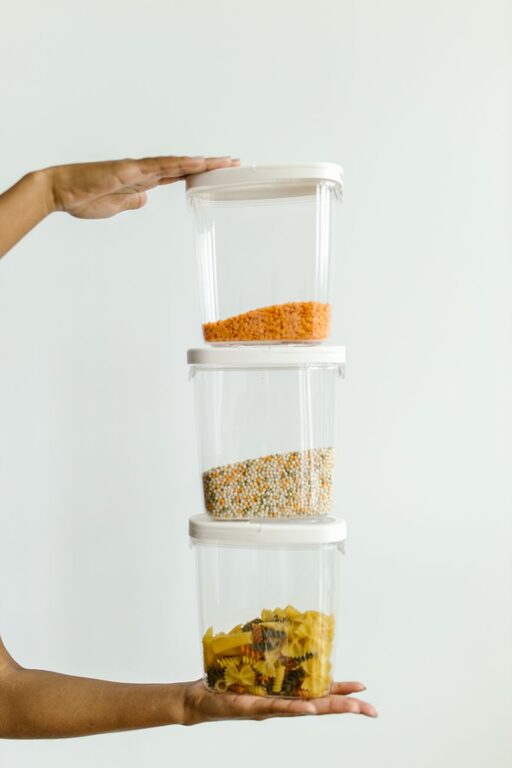
Cooking meals from pantry staples can be a game-changer for busy families, beginners in the kitchen, or anyone looking to simplify meal planning. Your pantry often holds a treasure trove of ingredients that, when combined creatively, can yield satisfying and nutritious dishes without a last-minute grocery run. This guide will help you make the most of what’s already in your kitchen by outlining how to plan meals from pantry staples effectively.
Understanding Your Pantry Staples
Before you start planning meals, it’s essential to take stock of what you have in your pantry. Pantry staples typically include:
– Grains (rice, pasta, quinoa, oats)
– Canned goods (beans, tomatoes, vegetables, tuna)
– Baking essentials (flour, sugar, baking powder)
– Cooking oils and vinegars
– Spices and dried herbs
– Broth or stock cubes
– Nuts and seeds
– Dried fruits and legumes
Knowing exactly what’s on hand allows you to avoid unnecessary shopping trips and helps you identify which meals you can create right now.
How to Organize Your Pantry for Meal Planning
An organized pantry makes meal planning easier. Consider these tips for keeping your pantry orderly:
– Group similar items together (e.g., all canned goods in one area).
– Label shelves or containers for quick identification.
– Keep frequently used items at eye level.
– Regularly check expiration dates and rotate older items forward.
Steps to Plan Meals Using Pantry Staples
1. Inventory Your Ingredients
Write down or take photos of what you have. This visual list helps spark recipe ideas and identifies gaps you might want to fill later.
2. Choose a Recipe Framework
Instead of searching for exact recipes, use a framework that fits your staples. For example:
– Grain bowls with beans and vegetables
– Pasta dishes with canned tomatoes and herbs
– Soups using broth, canned veggies, and spices
– Stir-fries or skillet meals combining rice, canned proteins, and sauces
3. Mix and Match Ingredients
Use your inventory to combine ingredients smartly. For example, canned chickpeas + rice + spices can become a flavorful pilaf. Or pasta + canned tuna + olive oil + garlic creates a quick, satisfying meal.
4. Add Fresh or Frozen Items When Possible
Pantry staples pair well with fresh or frozen produce to boost flavor and nutrition. Even just adding an onion, a few carrots, or spinach can elevate the meal.
5. Plan for Variety and Balance
Aim for a mix of protein, carbs, and vegetables in your meals. This helps ensure balanced nutrition and keeps meals interesting.
Meal Ideas Using Pantry Staples
Here are some simple dinner ideas you can create mostly from pantry ingredients:
One-Pot Lentil and Rice Stew
– Ingredients: lentils, rice, canned tomatoes, onion or garlic powder, broth cubes, and spices like cumin and paprika.
– Instructions: Sauté onion or garlic if available, add lentils, rice, tomatoes, broth, and spices. Simmer until lentils and rice are tender.
Tuna Pasta Primavera
– Ingredients: pasta, canned tuna, olive oil, garlic powder, canned or frozen mixed vegetables, dried herbs.
– Instructions: Cook pasta, heat vegetables, mix with tuna and olive oil, season with herbs.
Chickpea Curry with Rice
– Ingredients: canned chickpeas, rice, canned tomatoes, curry powder, broth.
– Instructions: Simmer chickpeas in tomato sauce with curry powder and broth, serve over rice.
Quick Bean Chili
– Ingredients: canned beans (kidney, black, or pinto), canned tomatoes, chili powder, onion powder.
– Instructions: Combine beans and tomatoes with spices, simmer until flavors blend. Serve with rice or bread.
Tips to Stretch Your Pantry Staples Further
– Use broth cubes to add flavor without fresh stock.
– Experiment with dried herbs and spices to change the taste profile.
– Make homemade stock from vegetable scraps to enhance soups.
– Prepare large batches and freeze leftovers for busy days.
Avoiding Common Mistakes
– Don’t forget to check cans for dents or expiration dates.
– Be cautious when substituting ingredients; some staples may need additional seasoning or cooking adjustments.
– Avoid over-relying on a single staple; balance variety for better nutrition.
Conclusion
Meal planning from pantry staples is a practical skill that saves time, reduces stress, and helps you eat well with what you have on hand. By regularly organizing your pantry, taking inventory, and thinking creatively about ingredient combinations, you can enjoy a wide range of meals that are both convenient and delicious. Next time you open your pantry, think of the possibilities waiting inside!