

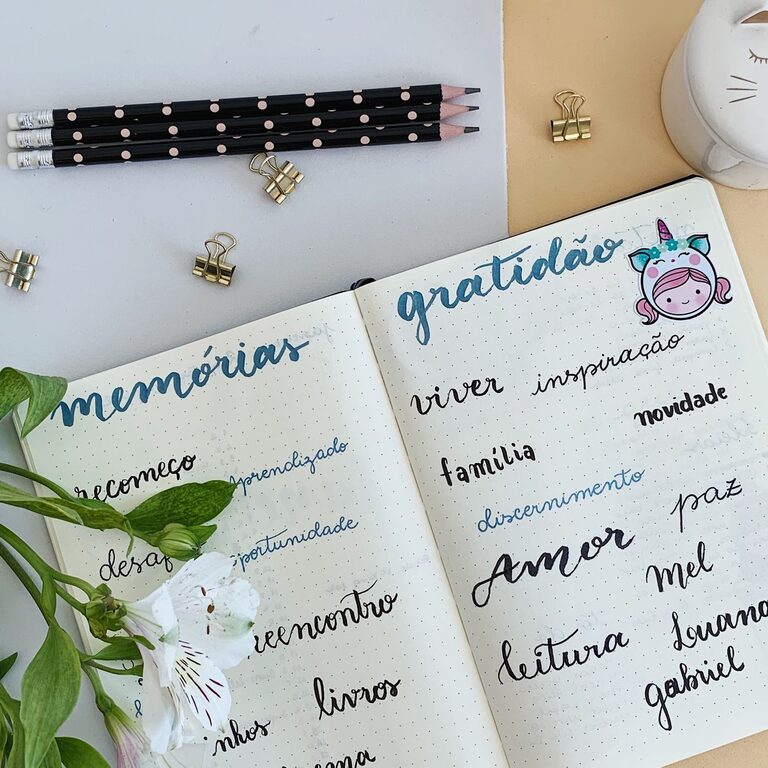
Keeping a gratitude journal is a simple yet powerful way to cultivate a positive mindset. By regularly noting the things you’re thankful for, you can increase your happiness, reduce stress, and improve your overall well-being. If you’re new to journaling or looking for a more intentional way to practice gratitude, this guide will walk you through the essential steps to get started.
What Is a Gratitude Journal?
A gratitude journal is a dedicated notebook or digital space where you write down things you appreciate in your life. It can be as brief or detailed as you like, but the key is consistency and sincerity. Over time, these entries can help you focus on the positive, even during challenging moments.
Benefits of Keeping a Gratitude Journal
Before diving into how to start, it’s helpful to understand why this practice matters:
– Improves mental health: Regular gratitude journaling can reduce symptoms of depression and anxiety.
– Enhances sleep quality: Reflecting on positive moments before bedtime promotes restful sleep.
– Boosts self-esteem: Focusing on what you have rather than what you lack builds confidence.
– Strengthens relationships: Acknowledging others’ kindness helps nurture connections.
– Encourages mindfulness: It keeps you present and aware of the good in everyday life.
How to Start Your Gratitude Journal
1. Choose Your Journal Format
Decide whether you want to use a physical notebook or a digital app. Some people prefer the tactile experience of writing by hand, while others find typing faster and more convenient.
– Physical journal: Choose a notebook inspiring you to write regularly.
– Digital journal: Use apps like Evernote, Day One, or a simple document on your phone or computer.
2. Set a Routine
Consistency is key in building any habit. Pick a regular time each day to write in your journal. Many people find mornings or evenings ideal.
– Morning: Starting your day with gratitude can set a positive tone.
– Evening: Reflecting on the day’s good moments helps you unwind.
3. Keep It Simple
Begin with listing 3 to 5 things you’re grateful for each day. These don’t have to be big events; small joys count just as much.
Examples:
– A warm cup of coffee
– A kind word from a friend
– A sunny day
4. Be Specific
Instead of vague statements like “I’m grateful for my family,” try to identify specific moments or qualities, such as “I’m grateful for my sister’s support during my job search.”
5. Reflect on Why You’re Grateful
Adding a sentence about why a particular thing matters to you deepens the practice and helps cultivate more meaningful appreciation.
6. Include Positive Details
Describe sights, sounds, smells, or feelings related to what you’re thankful for. This sensory detail makes your entries more vivid and engaging.
7. Use Prompts if You’re Stuck
Sometimes it’s hard to know what to write. Here are some prompts to inspire you:
– What made you smile today?
– Who helped you recently?
– What is something you enjoy about your surroundings?
– What personal strengths are you grateful for?
8. Embrace Flexibility
There’s no right or wrong way to keep a gratitude journal. If you miss a day or want to write more some days, that’s perfectly fine. Focus on making it a positive and enjoyable practice.
Tips for Maintaining Motivation
– Keep your journal visible: Place it somewhere you’ll see it daily.
– Set reminders: Use your phone’s alarm or calendar.
– Share your gratitude: Tell a friend about your practice or share entries to inspire others.
– Celebrate progress: Notice shifts in your mood and outlook.
Example Gratitude Journal Entry
Today, I’m grateful for the bright sunshine during my walk. It lifted my spirits and made me feel connected to nature. I also appreciate my coworker’s help on the project; it made the task easier and more enjoyable.
Conclusion
Starting a gratitude journal is a simple, effective way to nurture positivity in your life. With just a few minutes each day, you can develop a habit that enriches your mental and emotional well-being. Choose a format you like, set a routine, and let your gratitude practice grow naturally over time. Remember, the goal is progress, not perfection.
Happy journaling!